Case Study
Itron Enterprise Campaign Creative Direction
Enterprise creative across utilities, channels, and customer communications.
Enterprise-scale customer communications work spanning utility campaigns, creative systems, proofing, image direction, and multi-channel execution across print, email, social, and web.
Role / Scope
Creative
Campaign design, copy support, image sourcing, and creative direction within utility brand systems
Channels
Print, direct mail, email, social, web, and supporting customer-facing communication assets
Operations
Proofing, agency/vendor coordination, campaign accuracy, and managing multiple active projects at once
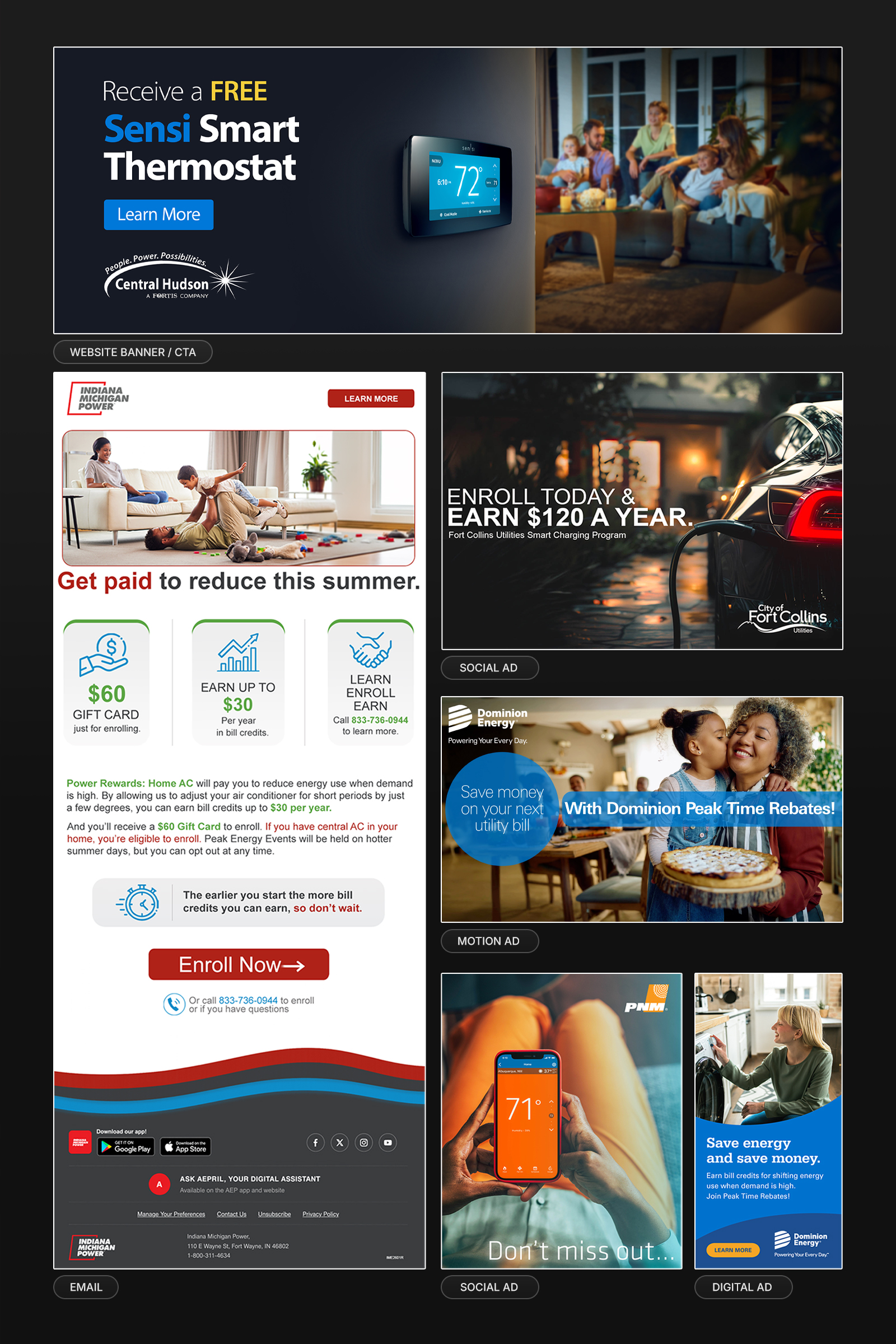
5+
Active projects at a time
Itron work often spans five or more live utility campaigns or deliverables at once in a typical week.
Millions
Reached weekly
Customer-facing communications across print, email, social, and web reach millions of utility customers on a recurring basis.
Multi-channel
Creative coverage
Work spans print, direct mail, email, social, web, and supporting campaign systems across multiple utility programs.
Strict
Brand + regulatory constraints
Creative is built within utility brand systems, customer-facing accuracy requirements, and regulated communication standards.
Project Overview
Enterprise utility work that depends on consistency, clarity, and trust.
My Itron work sits at the intersection of creative execution and customer communication systems. The projects span multiple utilities, recurring campaign schedules, and customer-facing materials that need to be clear, accurate, and visually cohesive.
I work most directly across campaign design, copy support, proofing, image sourcing, and multi-channel execution — while coordinating with agencies, internal teams, and production partners to keep customer communications polished and dependable.
Enterprise Workflow
Turning campaign ideas into customer-facing communications.
The work moves through a repeatable path from idea to deployment: sourcing visuals, shaping the message, improving hierarchy, proofing details, coordinating handoff, and helping the final communication reach customers clearly.
01
Idea
Campaign need, utility goal, program message, or customer communication request enters the workflow.
02
Direction
I source assets, shape image direction, color treatment, hierarchy, and customer-facing structure.
03
Message
Copy suggestions, CTA clarity, subject-line thinking, and sharper customer-facing messaging are refined.
04
Proof
Creative is checked, proofed, and aligned to brand, accuracy, and campaign requirements.
05
Handoff
Final work moves to print, data, email, digital, or web teams for production and deployment.
06
Delivery
Communications reach customers through direct mail, email, social, web, or campaign touchpoints.
07
Call to action
Clearer creative helps customers understand the program, trust the message, and take the next step.
08
Equity
Recurring communications build familiarity, consistency, and a stronger utility customer experience over time.
Campaign Operating System
Improving structure, flow, and customer clarity across the work.
One of the biggest improvements in this work has been building stronger customer-facing structure: better visual flow, more useful imagery, clearer step-by-step guidance, and more cohesive systems across formats.
The comparison below helps show how customer education materials evolved from a flatter, more fragmented presentation into a cleaner and more digestible communication system.
Earlier approach
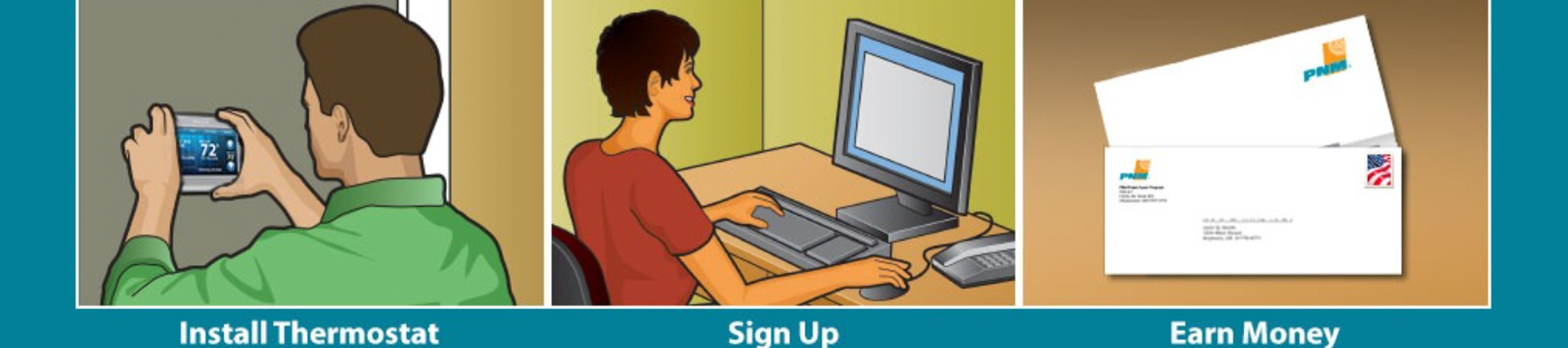
Less cohesive visual rhythm, flatter hierarchy, and a weaker sense of customer flow.
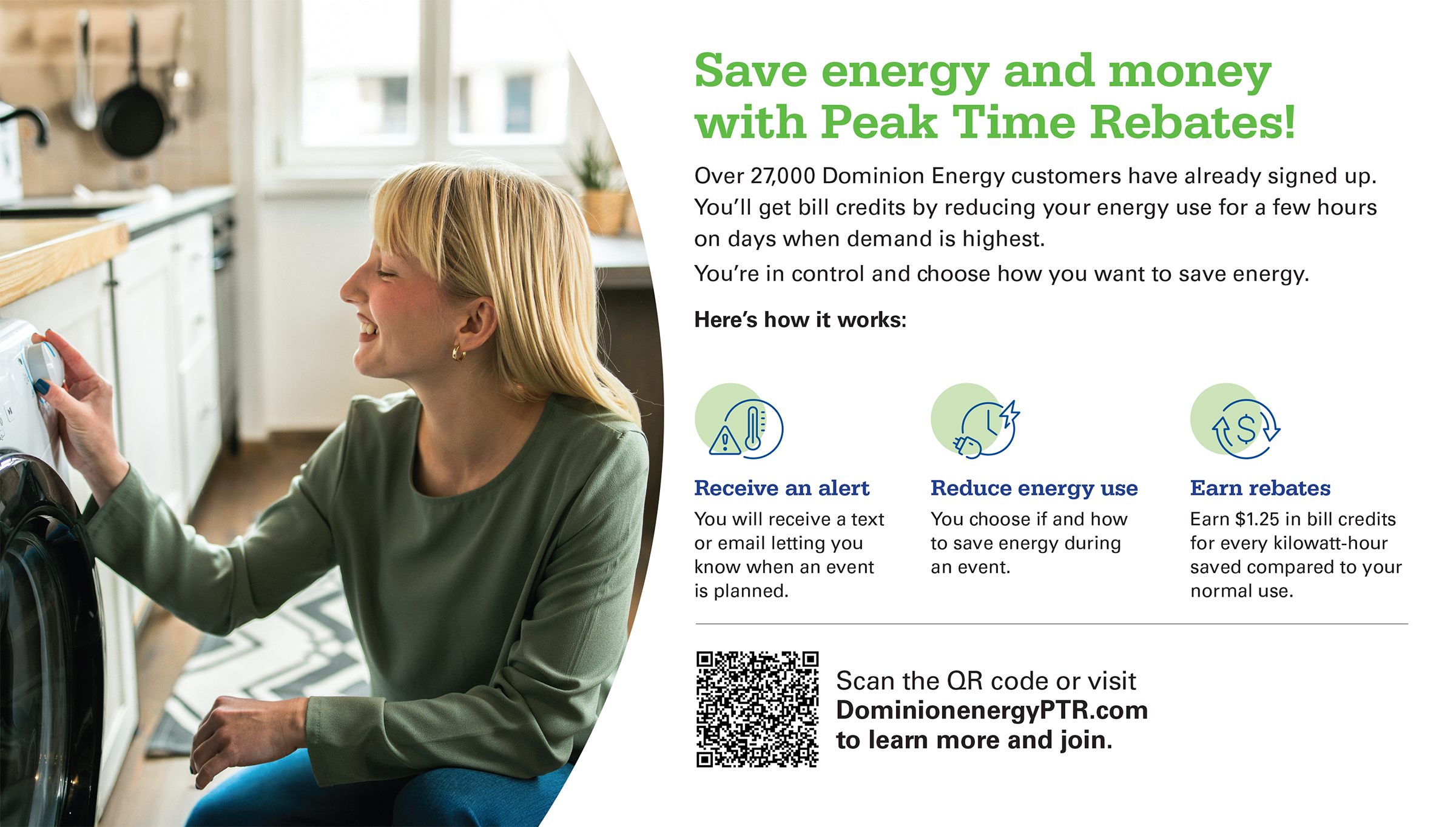
Improved system

Clearer hierarchy, stronger customer guidance, and a more refined visual system across touchpoints.
Cross-Channel Creative
Familiar visuals across channels help customers recognize and act on the message.
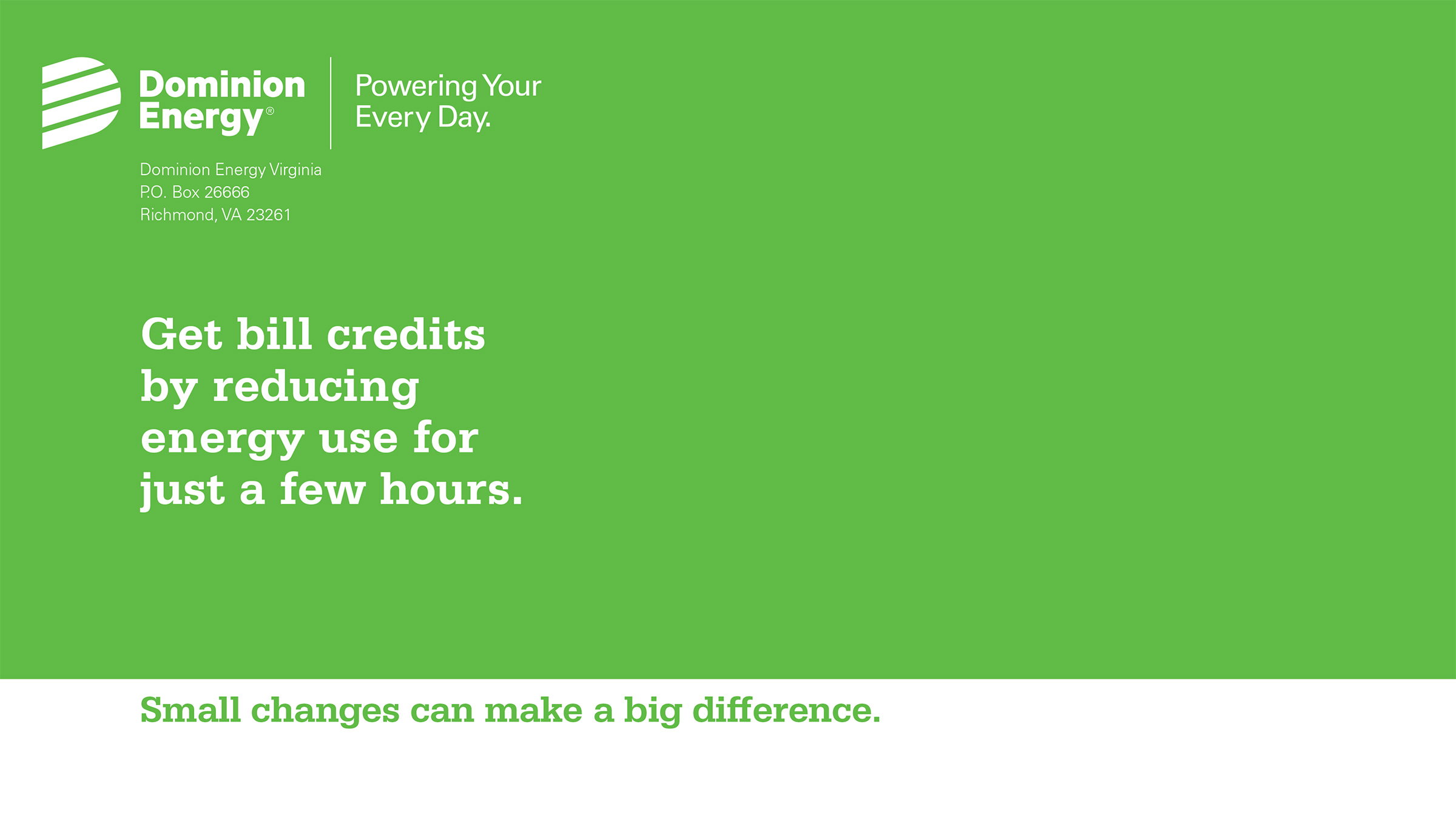
The strongest campaign systems reuse familiar imagery and visual cues across print, email, digital, social, and web while adapting the wording and calls to action for each channel.
That repetition builds recognition without feeling repetitive: customers see a consistent visual world, then receive channel-specific messaging that makes the next step clearer.
Postcard system
Digital extension
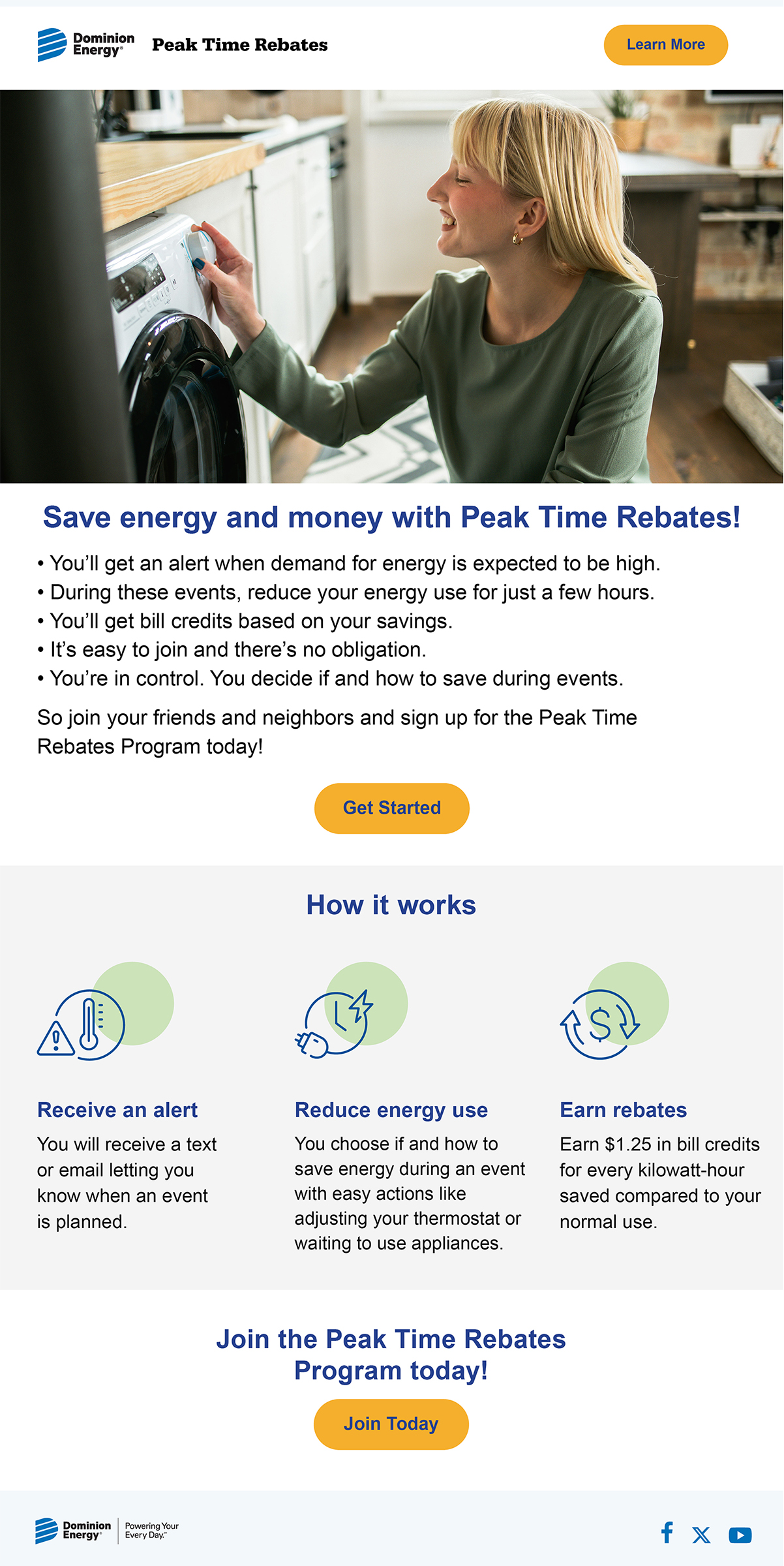

Physical customer touchpoints establish the campaign visually and introduce the core message.
Email adapts the same image language into a more direct customer action path.
Digital
Digital ads simplify the message and reinforce the same familiar campaign cues.
Call to action
Repeated visuals, varied messaging, and sharper CTAs help customers recognize and act on the campaign.
Localized Image Direction
Community-specific creative starts with who the message needs to reach.
Fort Collins Utilities work is a strong example of using audience and geography to shape creative decisions. Image direction is chosen with the community in mind: homeowners, families, pet owners, age range, local diversity, environmental cues, and the lifestyle patterns most likely to make the message feel relevant.
The goal is to build campaigns that feel familiar to the customer base, perform inside the intended geographic range, and make the program feel connected to the way people actually live in that community.







EV Program Presentation
Stronger visual context helped the program feel more local, useful, and approachable.
Fort Collins EV creative gave more room to use geography, environment, and local lifestyle cues as part of the campaign logic. The updated direction moved away from a flatter utility presentation and toward a clearer, more community-aware visual system.
The improved presentation uses cleaner hierarchy, stronger image choices, and more intentional environmental context to make the program feel connected to the region and easier for customers to understand.
Earlier approach

More generic presentation with less regional personality and weaker lifestyle context.
Updated direction


More localized, visually cohesive, and customer-aware with regional scenery, lifestyle cues, and cleaner program framing.
Internal Presentation Systems
Turning program results, creative updates, and internal ideas into polished presentations.
A major part of the work is internal PowerPoint and presentation development: taking enrollment updates, campaign results, creative examples, timelines, and program information and turning them into clean, executive-ready decks.
These presentations support internal alignment and are often used with utility stakeholders, helping make complex program performance, creative direction, and next-step recommendations easier to understand at a higher level.
Results
Enrollment updates, performance summaries, and campaign outcomes are organized into clear presentation-ready narratives.
Creative
Campaign examples, visual direction, and customer-facing materials are packaged in a cleaner, more polished format.
Strategy
Timelines, next steps, recommendations, and program context are shaped for internal teams and utility stakeholders.
Utility Reach
Creative work spread across a broad utility landscape.
This work supports a range of utility clients and programs, each with their own brand requirements, communication goals, and operational realities.
The challenge is maintaining customer clarity and creative consistency while adapting to different needs across multiple campaigns at once.
Dominion Energy
Public Service Company of New Mexico
Fort Collins Utilities
Indiana Michigan Power
Pepco
Delmarva Power
Central Hudson
Entergy
Takeaway
Enterprise-scale creative direction built around trust, consistency, and execution.
Itron proves the enterprise side of my work: operating across multiple clients and channels, improving communication systems, keeping customer-facing materials accurate, and helping large-scale campaign work feel clearer and more cohesive.